Kanha National Park: India has many forests, but some forests feel extra special. One such green and happy forest is found in the heart of India. This forest is very big, very green, and full of animals, birds, trees, and clean air. People come here from faraway places to see wild animals, walk in nature, and feel calm and joyful. This forest is famous for tall trees, open grasslands, flowing streams, and peaceful jungle sounds. Tigers walk proudly here. Deer move softly in groups. Birds fly happily in the blue sky. When the sun sets, the forest turns golden and magical.
Families, students, nature lovers, photographers, and wildlife fans all love visiting this place. With proper planning, safe guides, and simple travel routes, this forest becomes a dream holiday spot for everyone.
Introduction to the Kanha National Park Tour
A Kanha National Park Tour is a wonderful jungle holiday in Madhya Pradesh. It lets visitors enjoy wildlife, nature, and fresh forest air in a safe and guided way. This tour is perfect for families, kids, couples, and adventure lovers.
Kanha National Park is one of the best-managed wildlife parks in Asia. It spreads across 940 square kilometers of land. When we include the buffer area, the total forest area becomes 1,945 square kilometers. This park is home to Royal Bengal Tigers, Barasingha (swamp deer), leopards, wild dogs, sloth bears, and many birds.
A Glimpse into Kanha National Park
Kanha National Park, established in 1955, is spread over a vast area of approximately 940 square kilometres. It is a part of the Kanha Tiger Reserve, which spans nearly 2,000 square kilometres, making it one of the largest national parks in Central India. The park is renowned for its well-preserved ecosystem, supporting a plethora of flora and fauna. The lush landscapes, interspersed with bamboo groves, grasslands, and tranquil water bodies, make it a haven for wildlife and nature lovers.
One of the park's primary highlights is its successful conservation efforts, particularly for the Bengal tiger and the endangered Barasingha (swamp deer). Dubbed the "Jewel of Kanha," the Barasingha was brought back from the brink of extinction through dedicated efforts by the park authorities.
The Rich Wildlife of Kanha
Kanha National Park is synonymous with its magnificent wildlife. It is home to more than 100 species of mammals, 300 species of birds, and a variety of reptiles and insects. Here are some of the star attractions you can look forward to spotting:
Bengal Tiger
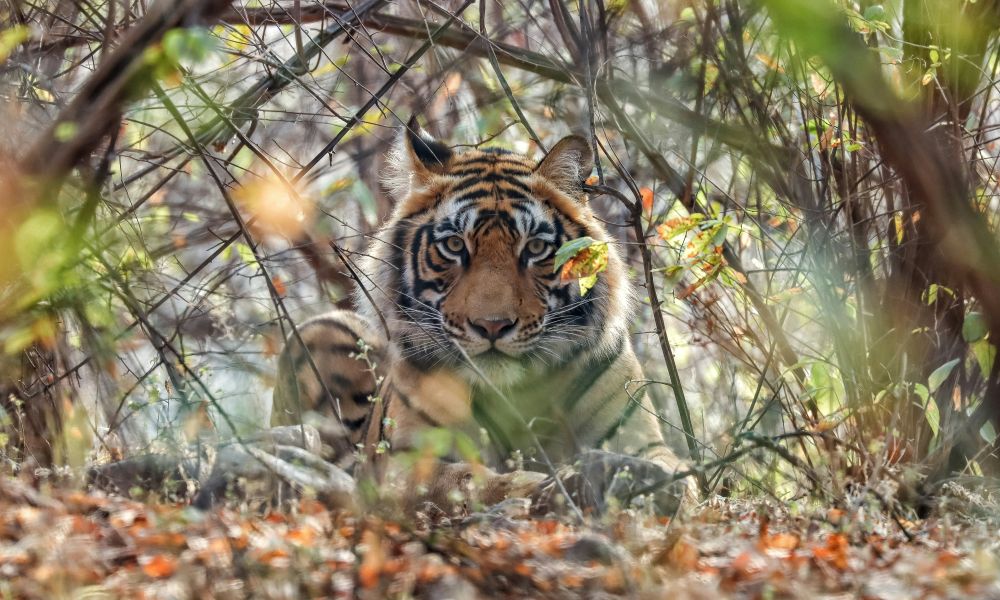
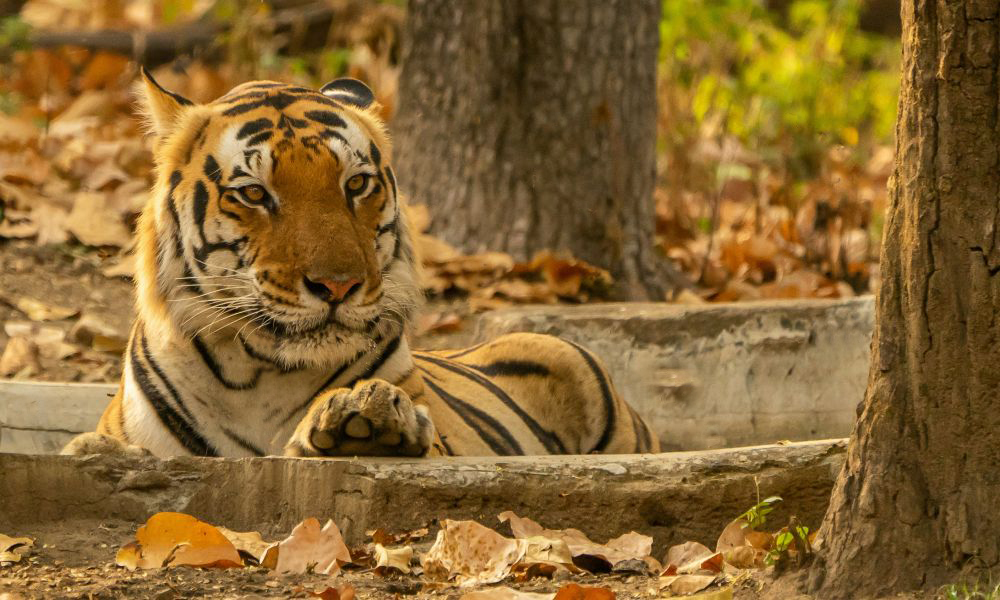
The Bengal tiger reigns supreme as the iconic predator of Kanha. Known for its majestic presence and striking stripes, this apex predator symbolizes the untamed beauty of the Indian wilderness. Tigers in Kanha are often seen patrolling their territories or lounging in the shade during safaris. Spotting one in its natural habitat is a once-in-a-lifetime experience, but it requires both patience and a touch of luck. With a growing population due to focused conservation efforts, the Bengal tiger has become an emblem of Kanha’s dedication to wildlife preservation.
Barasingha
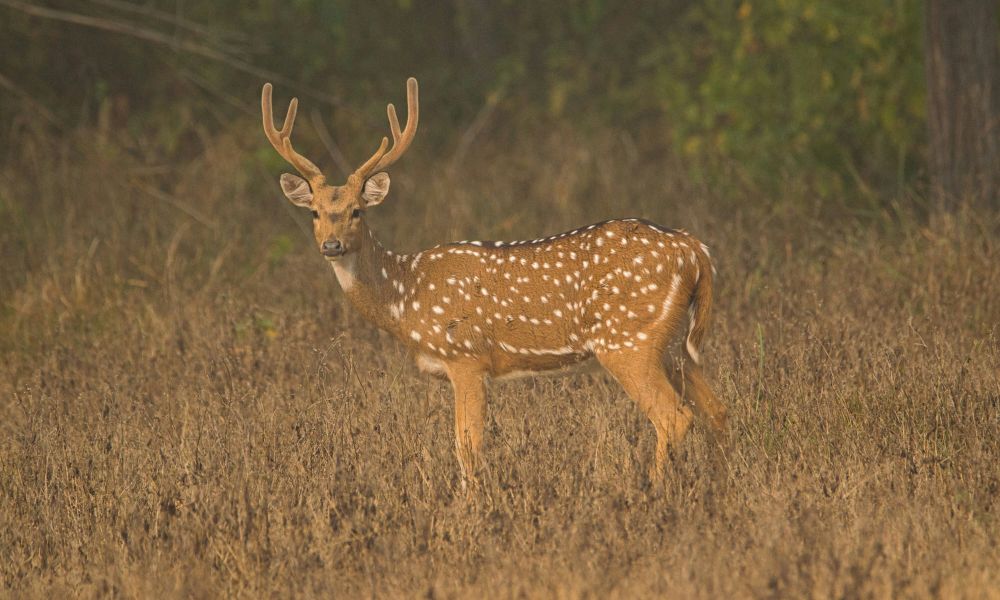
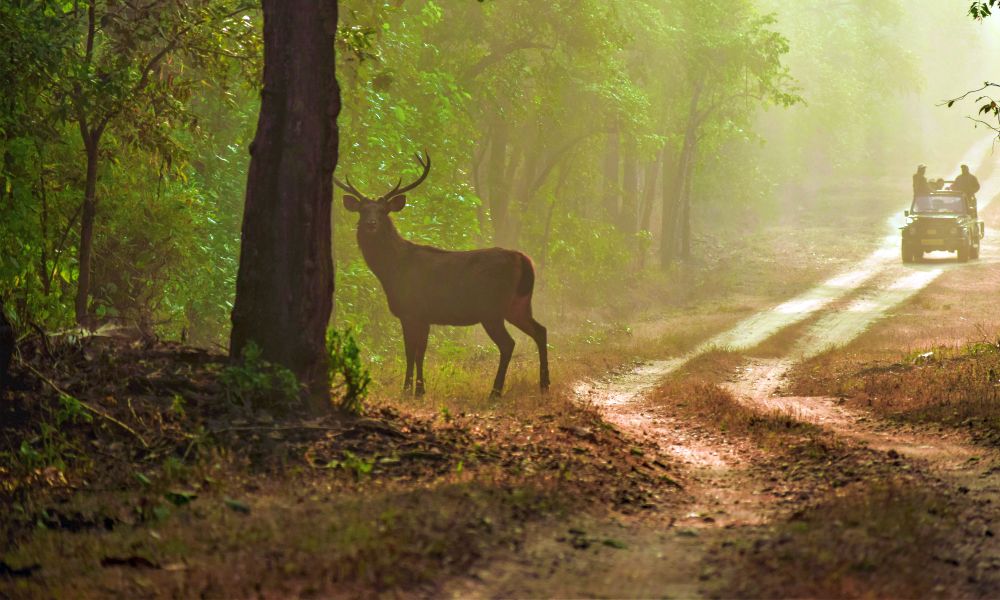
The barasingha, or swamp deer, holds the title of Kanha’s “Jewel” for a good reason. Once on the brink of extinction, this species has made an incredible comeback due to innovative conservation strategies implemented by the park authorities. Known for its ornate, multi-branched antlers (which can have as many as 12 points), the barasingha is found grazing in the grasslands or wading through swampy areas. Kanha remains the only habitat in the world where this unique subspecies thrives, making it a source of immense pride for the park.
Leopards
Leopards, the masters of stealth, inhabit the dense forests and rocky terrains of Kanha. These solitary and elusive cats are not as commonly spotted as tigers, but their presence is vital to the park's predator-prey balance. Agile and powerful, leopards can often be found resting on tree branches or prowling during twilight hours. For those lucky enough to catch a glimpse, the sight of a leopard is truly awe-inspiring.
Indian Wild Dog (Dhole)
The Indian wild dog, or dhole, is a fascinating carnivore known for its social and cooperative hunting techniques. These reddish-brown pack hunters are highly efficient predators, working together to bring down prey much larger than themselves. Their unique vocalizations, including whistles and chirps, add to their intrigue. Observing a pack of dholes in action is an unforgettable highlight of any Kanha safari.
Birds
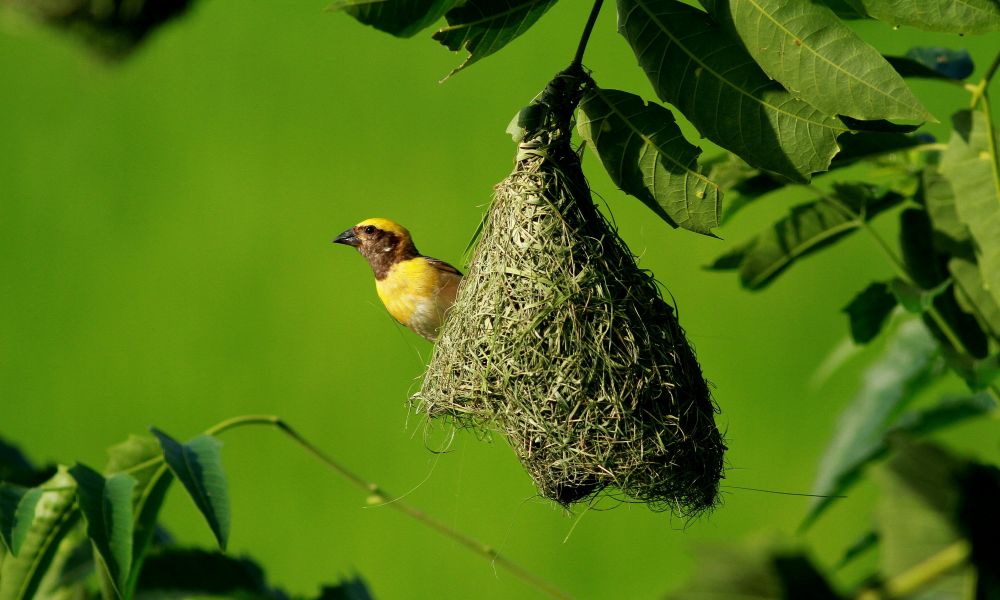
Kanha is a haven for birdwatchers, boasting over 300 avian species that add colour and melody to the park’s landscapes. Some of the most notable species include:
- Indian Roller: Known for its vibrant blue plumage, the Indian roller is a delight to spot during open grassland drives.
- Serpent Eagle: This majestic bird of prey is often seen perched high in the treetops, scanning the ground for potential meals.
- Malabar Pied Hornbill: A rare and shy species, the Malabar Pied Hornbill is an exciting find for avid birdwatchers, with its striking black-and-white plumage and large, curved bill.
- Racket-Tailed Drongo: Known for its sleek black feathers and forked tail, this bird is not only beautiful but also a master mimic, capable of imitating the calls of other birds.
- Peafowl: The Indian national bird is commonly seen in Kanha, often showcasing its dazzling display of iridescent feathers during courtship dances.
Birdwatchers are encouraged to bring binoculars to fully appreciate the diverse and vibrant avian life that calls Kanha home.
Why Choose a Kanha National Park Tour
A Kanha National Park Tour gives you:
- Safe jungle safaris with trained guides
- Clean forest zones and eco-friendly travel
- Great chances to see tigers and deer
- Simple travel routes and permit help
- Comfortable stay options near the forest
The park is famous for bringing the Barasingha back from near extinction. Today, it is proudly called the “Jewel of Kanha.”
History and Importance of the Park
The forest was first marked as a reserve forest in 1879. Later, it became a wildlife sanctuary in 1933. In 1955, it was declared a national park. This forest also inspired Rudyard Kipling to write The Jungle Book, which is loved by children all over the world.
Best Places to Visit During a Kanha National Park Tour
- Kanha Meadows: Wide green grasslands where deer roam freely. Tigers are often seen crossing here.
- Kanha Museum: A small museum that teaches kids and adults about forest animals and plants.
- Bamni Dadar (Sunset Point): The most famous spot to watch the sunset over deep forests.
- Shravan Tal: A peaceful water body where animals come to drink water.
- Sindoor Trees: These trees have bright red flowers and make the forest colorful.
Wildlife You Can See
A Kanha National Park Tour is famous for wildlife viewing.
Animals
- Royal Bengal Tiger
- Barasingha (Swamp Deer)
- Leopard
- Indian Wild Dog (Dhole)
- Sloth Bear
- Gaur (Indian Bison)
Birds
Over 350 bird species live here, including:
- Peacocks
- Kingfishers
- Eagles
- Owls
Safari Experience: An Adventure of a Lifetime
The best way to explore Kanha National Park is through a safari. The park offers jeep safaris and canter safaris that take you deep into the wilderness, guided by experienced naturalists.
1. Types of Safaris
- Morning Safari: Begins at sunrise and offers the best chance to spot predators like tigers and leopards.
- Evening Safari: Starts late in the afternoon and lets you enjoy the park’s serene beauty as the sun sets.
- Buffer Zone Safari: A relatively new addition, buffer zone safaris explore the areas surrounding the core zone.
2. Zones in Kanha
Kanha National Park is divided into four safari zones:
- Kanha Zone: The most popular and scenic area, offering high chances of tiger sightings.
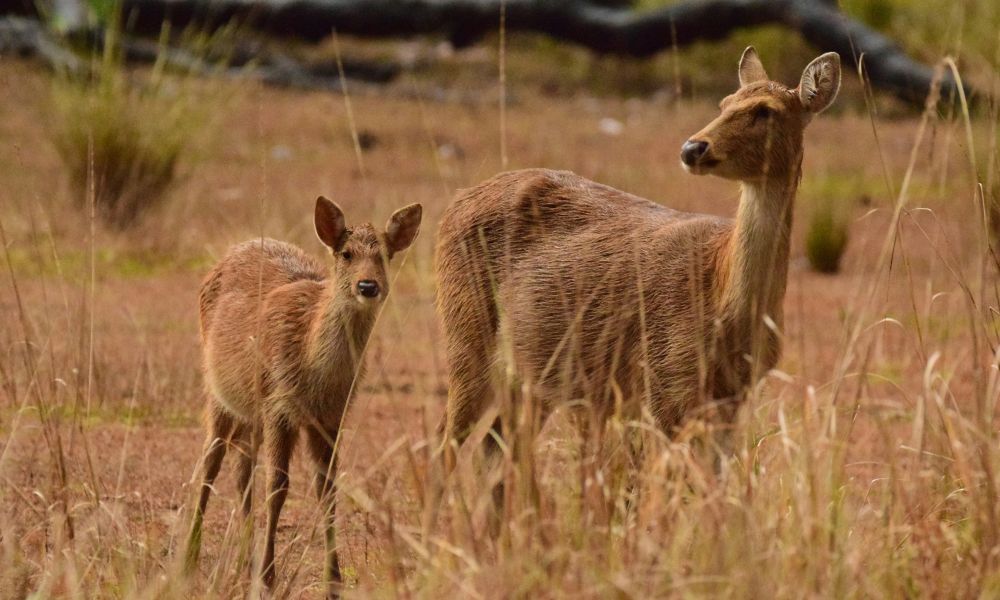
- Mukki Zone: Known for its Barasingha population and open meadows.
- Kisli Zone: Famous for its diverse wildlife and dense forests.
- Sarhi Zone: Less crowded and ideal for peaceful exploration.
3. Tips for a Successful Safari
- Book your safari permits online in advance to secure your preferred zone.
- Wear earthy-coloured clothing to blend in with the surroundings.
- Carry essentials like water, binoculars, sunscreen, and a camera with a telephoto lens.
- Follow the naturalist’s instructions and maintain silence to avoid disturbing wildlife.
Best Time for a Kanha National Park Tour
The park stays open from October 15 to June 30 every year.
Climate and Weather
- Summer: Hot and dry, up to 43°C
- Winter: Cold mornings, minimum 2°C
- Monsoon: Heavy rain, park closed
Altitude ranges from 600 m to 870 m, making the weather pleasant most of the year.
Kanha National Park Nearby Destinations to Visit
- Amarkantak (159 km): A holy town known as the birthplace of the River Narmada.
- Jabalpur (131 km): Famous for marble rocks and river views.
- Bandhavgarh National Park: High tiger population.
- Pench National Park: Beautiful forests and wildlife.
- Tadoba National Park: Popular tiger reserve nearby.
Why Book with Ghumney
Ghumney.com offers:
- Complete Kanha National Park tour packages
- Safari permits and guide support
- Safe family-friendly itineraries
- Custom packages for kids and seniors
- Honest pricing and support
How to Reach Kanha National Park
Kanha National Park is well-connected by road, rail, and air. Here’s how you can reach this wildlife haven:
1. By Air
The nearest airports are:
- Jabalpur Airport: Approximately 160 km away.
- Nagpur Airport: Around 260 km from the park.
Both airports are well-connected to major Indian cities. From the airport, you can hire a taxi or take a bus to reach the park.
2. By Train
The nearest railway stations are:
- Jabalpur Railway Station (170 km)
- Gondia Railway Station (145 km)
Private taxis and buses are available from these stations.
3. By Road
Kanha National Park is accessible by road from major cities like Jabalpur, Nagpur, and Raipur. Well-maintained highways ensure a comfortable drive. If you prefer public transport, buses ply to Mandla and Bihar, the closest towns to Kanha.
Where to Stay
Kanha offers a range of accommodations to suit every budget and preference:
- Luxury Resorts: For a lavish experience, opt for luxury jungle lodges and resorts that offer top-notch amenities and guided safaris.
- Mid-Range Hotels: Comfortable and affordable, these options provide good facilities without breaking the bank.
- Budget Stay: Basic lodges and guesthouses cater to backpackers and budget travellers
Essential Travel Tips
- Plan in Advance: Kanha is a popular destination, so book your safaris and accommodations early, especially during peak season.
- Pack Smart: Bring light cotton clothes for summer and warm layers for winter mornings. Don’t forget essentials like sunscreen, hats, and insect repellent.
- Follow Park Rules: Avoid littering, maintain silence, and respect wildlife.
- Stay Hydrated: Carry sufficient water, especially during the hot summer months.
- Local Cuisine: Try the local dishes of Madhya Pradesh, such as Poha, Dal Bafla, and Jalebi.
- Hire a Guide: Local guides enhance your experience with their knowledge and insights.

Why Kanha Should Be on Your Bucket List
Kanha National Park isn’t just a destination; it’s an experience that leaves you spellbound. The chance to witness the untamed beauty of nature, the thrill of spotting a tiger in the wild, and the serenity of the forests make this place truly special. Add to this the warm hospitality of the locals and the unique cultural experiences, and you have the recipe for a perfect getaway.
So, pack your bags, charge your cameras, and embark on a journey to Kanha National Park. Let the call of the wild guide you to an adventure of a lifetime!
FAQs – Kanha National Park Tour
Ques. Is a Kanha National Park Tour safe for children?
Ans: Yes, it is very safe with trained guides.
Ques. Do we need permits?
Ans: Yes, safari permits are required and included in tour packages.
Ques. How many days are enough to visit Kanha National Park?
Ans: Two to three days are ideal for visiting Kanha National Park.
Ques: Can we see tigers at Kanha park?
Ans: Tiger sightings depend on luck, but chances are high.